
Commercial buildings rely on glass systems for daily operation, public interaction, and regulatory compliance. Storefronts, offices, and shared facilities use glass to control visibility, safety, and movement within a space. Business owners who understand common commercial glass applications can make informed decisions that support building performance and regulatory standards.
Proper glass selection also reduces long-term repair concerns and supports consistent building use across changing business needs.
Common Commercial Glass Applications
Commercial properties use glass in several core areas. Storefront glass defines the public entrance and supports visibility, security, and customer flow. Interior glass partitions separate offices, meeting rooms, and work areas while maintaining light transmission. Glass doors support controlled access between departments and shared spaces. In retail, hospitality, and office environments, commercial glass installation supports structural clarity and operational layout without blocking supervision or light.
Safety and Code Compliance Requirements
Commercial glass systems must meet strict safety and building regulations. Tempered glass reduces injury risk by breaking into small fragments under impact. Laminated glass holds together when damaged, which protects occupants and limits access breaches. Fire-rated glass supports compliance in corridors, stairwells, and exit paths. Building inspectors review glass labeling, thickness, and installation methods during approvals. These requirements shape material selection during commercial glass installation planning and execution.
Functional Benefits for Business Environments
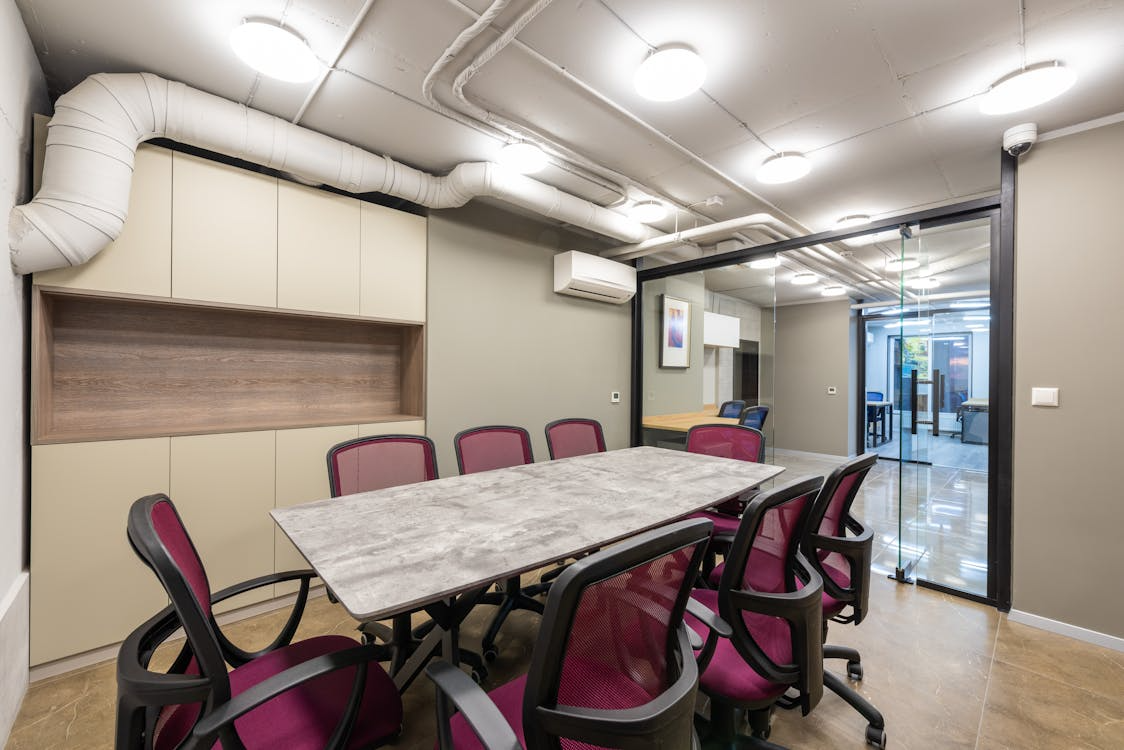
Glass improves workflow by supporting visibility and spatial control. Offices gain organized layouts that support supervision and privacy through glass partitions. Retail spaces benefit from clear sightlines that improve merchandise presentation and security awareness. Glass also supports controlled sound separation when paired with appropriate framing and thickness. These functional benefits rely on professional design and proper commercial glass installation that aligns with building use.
Energy and Environmental Considerations
Modern commercial glass systems also address energy performance. Insulated glass units reduce heat transfer, which helps regulate indoor temperature. Low-emissivity coatings limit solar heat gain while maintaining daylight. These features support stable interior conditions and reduce strain on heating and cooling systems. Business owners often select these options during upgrades or renovations to support consistent indoor comfort.
Maintenance and Long-Term Performance
Commercial glass requires routine evaluation to maintain safety and appearance. Surface damage, seal failure, and hardware wear can affect performance over time. Prompt repair reduces safety exposure and prevents further deterioration. Replacement restores clarity and structural strength when damage exceeds repair limits. Long-term reliability depends on correct material choice, skilled installation, and regular service planning.
Reliable Commercial Glass Solutions from Glass & Screens
At Glass & Screens, we provide professional commercial glass support throughout San Diego County, including commercial storefront glass services, commercial glass installation, office glass partition installation, and business glass repair in Rancho Bernardo, Poway, Carmel Valley, and Mira Mesa, CA.
Contact us today to discuss commercial glass solutions that support safety, compliance, and long-term building performance.