
Balconies in coastal regions face constant exposure to salt air, moisture, wind, and direct sunlight. These conditions place ongoing pressure on exterior glass systems and supporting hardware. Selecting the correct materials helps maintain safety, clarity, and structural reliability over time. Property owners who understand coastal performance requirements can reduce surface damage, corrosion, and early replacement.
Careful selection remains especially important for balcony glass in San Diego, where marine conditions affect buildings year-round.
Coastal Weather Challenges for Balcony Glass
Salt carried by ocean air settles on glass and metal surfaces daily. Moisture combines with salt residue and accelerates corrosion on fittings and fasteners. Wind places lateral pressure on balcony panels, while airborne debris increases impact risk.
Sun exposure also heats glass and framing, which causes expansion and contraction. These combined conditions require materials designed for exterior coastal use rather than standard residential glass.
Salt-Resistant Glass Coatings
Protective coatings help glass resist surface damage in coastal environments. Hydrophobic treatments limit water adhesion, which allows rain or rinse water to remove salt residue more easily. Low-iron glass options reduce discoloration and surface clouding caused by prolonged exposure.
Coated panels maintain clarity longer and reduce cleaning frequency. These benefits support long-term durability for balcony glass installations in San Diego without changing visibility or openness.
Reinforced Fittings and Hardware Selection
Glass performance depends on the strength of its support system. Coastal balconies require corrosion-resistant fittings made from stainless steel or marine-grade alloys. These materials resist rust and surface breakdown caused by salt exposure. Reinforced clamps, anchors, and railing posts distribute load evenly across glass panels. Proper hardware selection limits movement during high winds and maintains consistent panel alignment over time.
Glass Thickness and Structural Stability
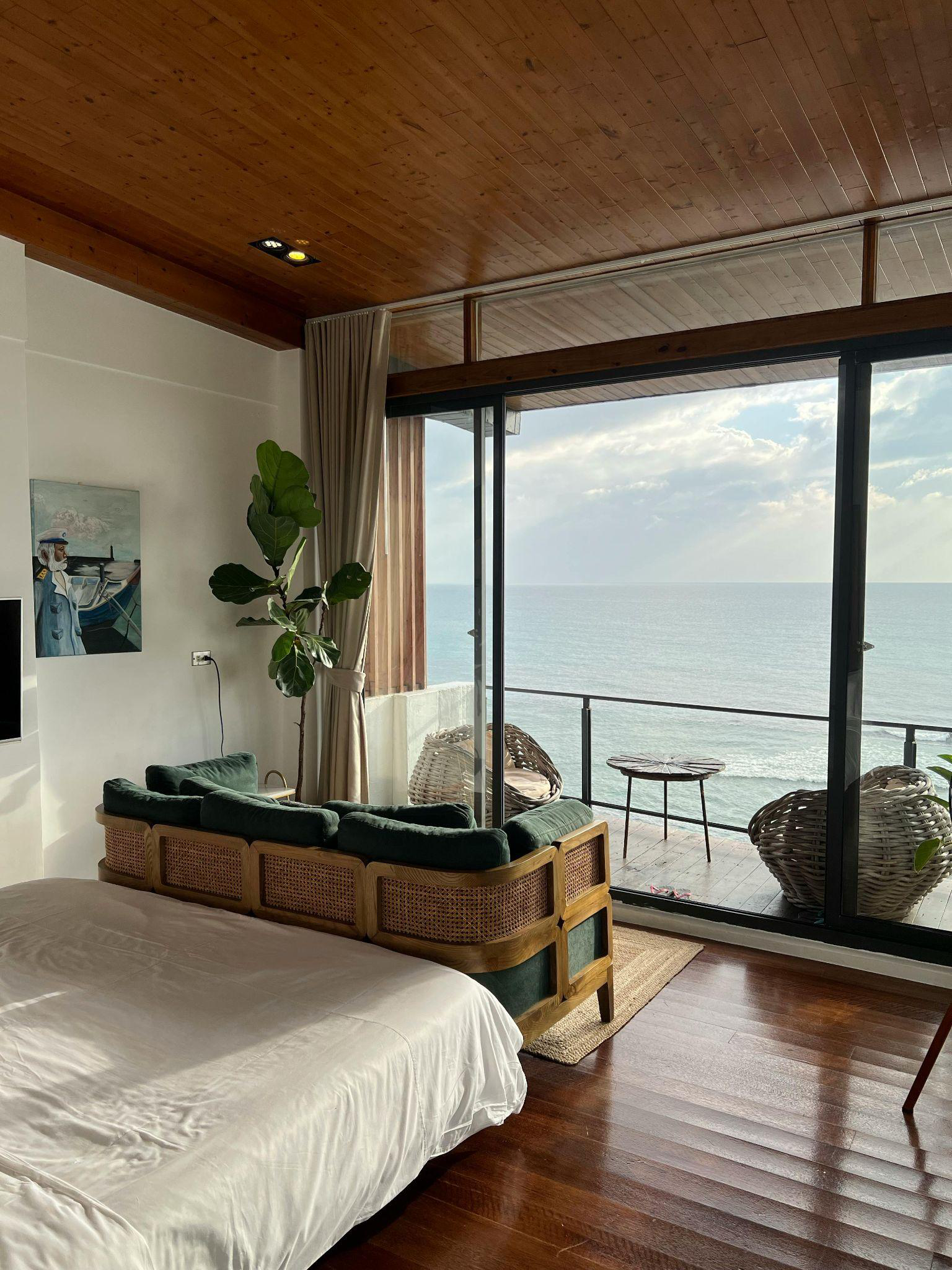
Thicker tempered or laminated glass improves resistance to wind pressure and impact. Laminated glass offers added security because it remains bonded if damaged. Balcony rail systems often specify increased panel thickness to manage lateral forces common in coastal locations. Adequate spacing, framing, and mounting depth further support structural stability. These design considerations help balcony glass in San Diego withstand demanding outdoor conditions.
Periodic Maintenance for Coastal Balconies
Routine maintenance supports long service life. Regular rinsing removes salt buildup before it damages glass surfaces or metal components. Scheduled inspections identify early signs of corrosion, seal wear, or hardware loosening. Prompt repairs prevent minor issues from developing into structural concerns. Maintenance planning also supports occupant safety by confirming that panels remain secure and properly supported.
Glass & Screens Delivers Coastal Glass Solutions
At Glass & Screens, we provide professional support for coastal balcony systems and exterior glass. Services include glass installation, glass replacement, window glass repair, and residential glass services in Rancho Bernardo, Poway, Carmel Valley, and Mira Mesa, CA. Each service addresses material durability, structural performance, and coastal exposure.
Contact us today to discuss balcony glass options built for long-term outdoor use.